


· By Arjun Patel
What Protein Is Easiest to Digest? Whey, Isolate, Plant Protein & More.
Ask five people which protein is “easiest to digest,” and you’ll get five answers. That’s because the phrase quietly covers three different questions:
-
How does it feel? Is it comfortable in your stomach?
-
How fast is it broken down? Does it reach your system quickly or gradually?
-
How much of it can your body use? Does it contain the amino acids you need, in a form you can absorb?
The first question is about comfort, which we’ve covered in Why Does Protein Powder Make You Bloated? This blog tackles the other two, because that’s where protein types genuinely differ.
Speed: fast, slow, and in between
Whey is generally digested quickly. It stays liquid in the stomach and moves through relatively fast. That makes it a natural fit for moments when you want protein without sitting on a heavy meal, such as during or after training. Casein behaves differently. In the acidic environment of the stomach, casein forms curds, which slows its release. Protein from casein tends to arrive more gradually, over a longer window.
Milk protein sits in between. It contains both casein and whey, so it combines a faster part with a slower one. Hydrolysed protein is “pre-digested.” It has already been partially broken down into smaller fragments during manufacturing. It’s often used where speed matters, though it tends to taste more bitter and cost more. Fast isn’t automatically better than slow. They’re simply suited to different moments.
Completeness: can your body use all of it?
Protein is made of amino acids, and nine of them are essential. Your body can’t make them, so they have to come from food. A protein source is judged on two things: whether it contains all nine essential amino acids in useful amounts, and how well your body can digest and absorb it. Scientists use scoring systems such as PDCAAS and DIAAS to compare sources on these measures. Animal proteins such as whey, casein, milk and egg generally score highly. They’re complete, and they’re well absorbed.
Plant proteins vary more.
-
Soy is one of the strongest plant sources and is complete on its own.
-
Pea protein is rich in lysine but relatively low in methionine.
-
Rice protein is the reverse: it’s lower in lysine.
That’s why many plant powders use blends. Pea and rice together fill each other’s gaps, giving a more complete amino acid profile than either one alone. Yeast protein is the newcomer. It comes from fermented yeast, which is a fungus rather than a plant. It’s generally considered a complete protein on its own, containing all nine essential amino acids. It’s also naturally dairy-free and soy-free, which is a big part of why it’s growing so quickly. Research on how fast it’s digested is still early, though, so it’s too soon to place it firmly alongside whey or casein.
Whole food vs isolated protein
There’s another digestibility factor that labels rarely mention. Whole plant foods such as beans and lentils come packaged with fibre and natural compounds that can reduce how much protein your body absorbs from them. Isolated plant proteins, like pea protein, have had much of that removed, which generally makes the protein more available.
None of this makes whole foods a bad choice. Beans and lentils are still excellent foods. It just means that a gram of protein from a bowl of dal and a gram from a pea protein isolate won’t behave identically.
What about collagen?
Collagen is often marketed as a protein supplement, but it’s missing tryptophan, one of the nine essential amino acids. That makes it an incomplete protein. It can be part of your diet, but it isn’t a like-for-like substitute for whey, milk, soy or a well-built plant blend when you’re counting toward your daily protein target.
Match the protein to the moment
The more useful question isn’t “which protein is easiest to digest?” It’s “which protein suits this moment?” During or after training: a fast, light option works well. Not Rocket Science Protein Water delivers 22 g of protein from 100% Clear Whey Protein Isolate in a clear, ready-to-drink bottle made for intra-workout and post-workout.
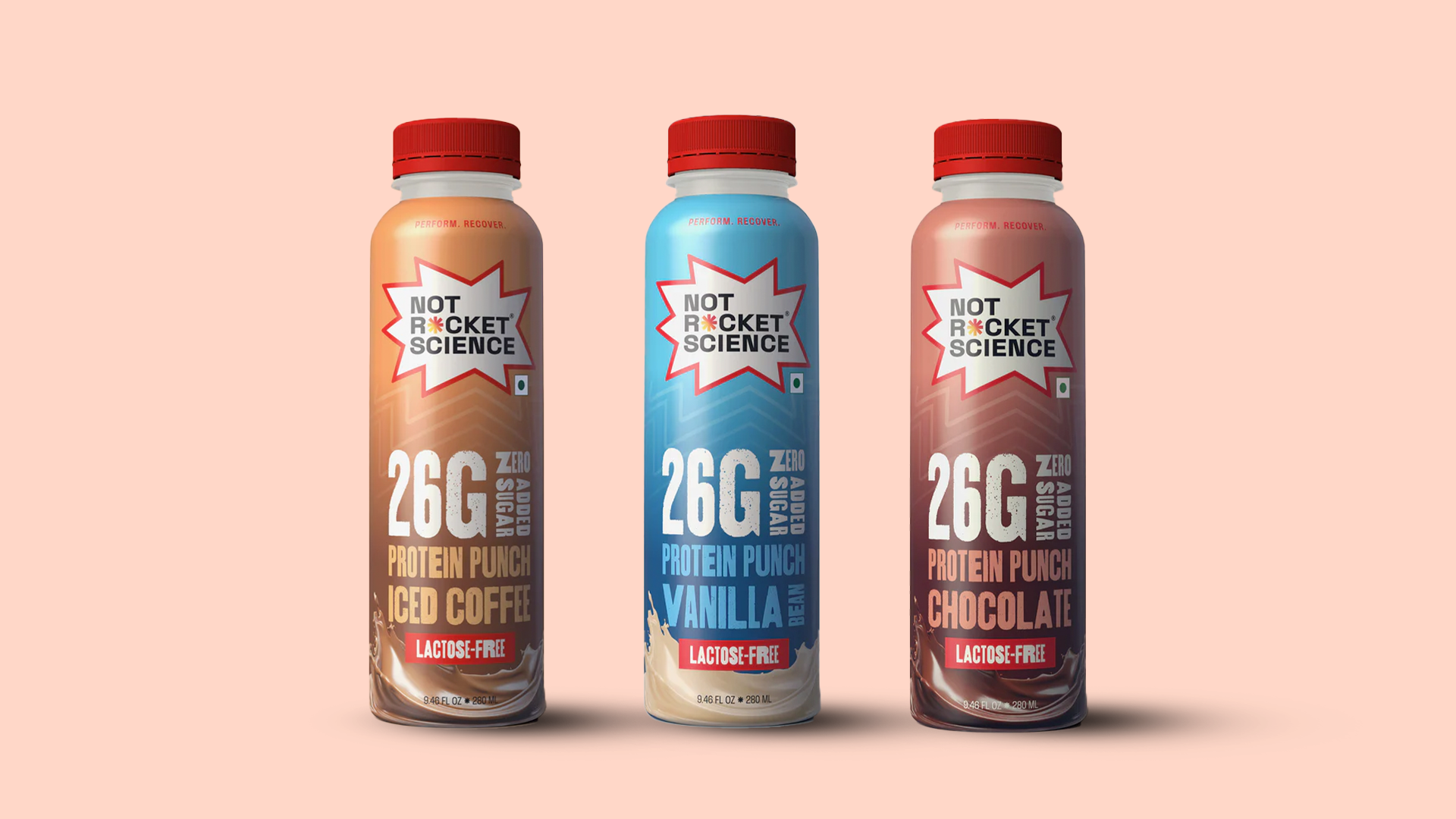
On a busy day when meals fall short: a milk-based protein drink can be a better fit. Not Rocket Science Protein Punch is lactose-free and provides 26 g of protein from milk protein. Because it contains casein as well as whey, it’s generally digested more gradually than whey alone. If you follow a plant-based diet: look for a blend that covers the full amino acid profile, or a complete single source such as soy or yeast protein. Plant Power is our plant-based range.
A note on individual needs
Digestion is personal. Milk and soy are common allergens, and some people are sensitive to yeast. If you have a diagnosed digestive or kidney condition, are pregnant or breastfeeding, or are managing a medical condition, speak to a registered dietitian or doctor before adding a protein supplement.
The bottom line
There’s no single “easiest” protein. Whey is generally fast. Casein is slower. Milk protein sits between the two. Plant proteins become more complete when they’re blended. Yeast protein is a promising newcomer, but the research is still catching up. And “easy to digest” means something different depending on whether you’re thinking about comfort, speed or how much of the protein your body can actually use. Choose the protein that fits your moment and your diet, not the one with the loudest label.